Best Lighting for a Home Office: Bright Ideas for Productivity
Creating an effective home office involves many considerations, and lighting is often one of the most overlooked aspects. The way a workspace is illuminated can influence comfort, visual clarity, and overall well-being. Poor lighting conditions may contribute to eye fatigue, headaches, and reduced concentration. Therefore, understanding the different types of lighting available and how they interact with a workspace is a fundamental step in designing a productive environment.
This article examines the main categories of lighting commonly used in home offices: task lighting, overhead fixtures, and natural light. Each type offers distinct advantages and potential drawbacks. By exploring their characteristics, placement strategies, and the principles of layering light, individuals can make informed decisions tailored to their specific needs. The focus is on providing neutral, informative guidance that respects the complexity of individual preferences and circumstances.
The Role of Lighting in a Home Office
Lighting serves multiple functions beyond mere illumination. It affects how comfortably one can perform visual tasks, such as reading, writing, or working on a computer. Inadequate or poorly positioned lighting can cause the eyes to work harder, potentially leading to strain and fatigue. Conversely, well-designed lighting can create a balanced visual environment that supports sustained attention and reduces the likelihood of discomfort.
The concept of colour temperature is also relevant. Measured in Kelvin (K), it describes the warmth or coolness of light. Warmer lights (around 2700K–3000K) have a yellowish hue, while cooler lights (5000K–6500K) appear bluish-white. In a work context, cooler light is often associated with alertness, whereas warmer light may promote relaxation. The appropriate choice depends on the tasks performed and the desired atmosphere. It is worth noting that individual responses to colour temperature can vary, so experimentation may be necessary.
Glare is another factor to consider. Direct glare occurs when a bright light source is in the field of view, while reflected glare happens when light bounces off surfaces like screens or glossy desks. Both types can impair visibility and cause discomfort. Strategically positioning light sources and using diffusers or shades can help mitigate glare. Additionally, the placement of the computer monitor relative to windows and lamps plays a critical role in minimising unwanted reflections.
Task Lighting: Focused Illumination for Specific Activities
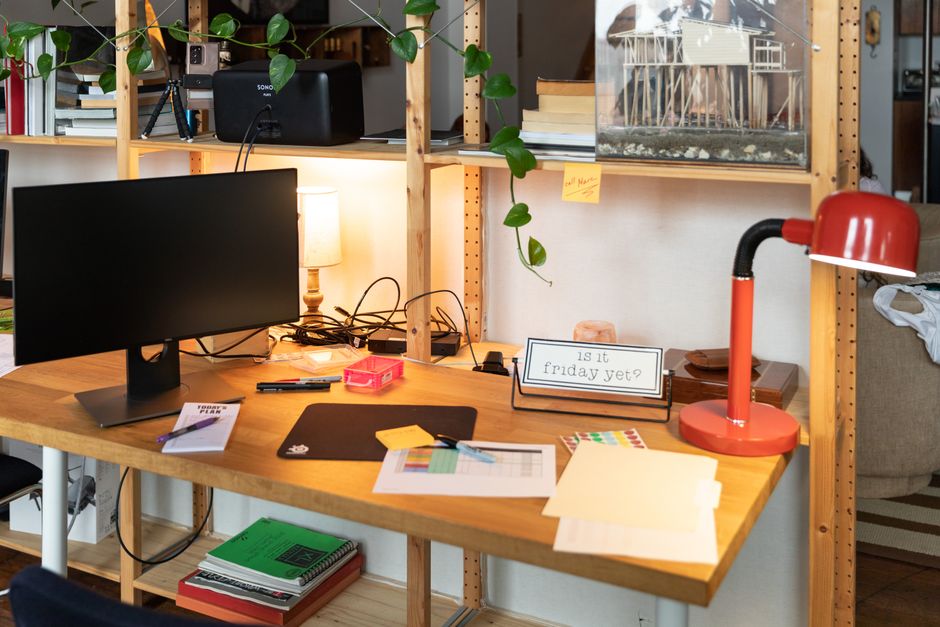
Task lighting is designed to provide concentrated light for particular activities, such as reading, writing, or detail-oriented work. Desk lamps, adjustable floor lamps, and under-shelf lights are common examples. The primary advantage of task lighting is its flexibility: the direction, intensity, and position can often be adjusted to suit the user’s needs. This adaptability makes it a valuable component in any workspace.
When selecting a task lamp, consider its adjustability. Models with articulated arms or flexible necks allow for precise positioning. It is generally recommended to place the light source so that it illuminates the work area without casting shadows from the hands or head. For right-handed individuals, a lamp positioned on the left side may reduce shadowing, and vice versa. The light should be directed towards the work surface, not towards the eyes.
The type of bulb used in task lighting matters. LED bulbs are popular due to their energy efficiency and long lifespan. They are available in various colour temperatures and brightness levels. Dimmability is another feature that can enhance versatility, allowing users to adjust the light according to the time of day or the nature of the task. Some task lamps also offer options for different light modes, such as reading or computer work, which can be beneficial.
It is important to note that task lighting should not be used in isolation. In a dimly lit room, a bright task light can create a high contrast between the work surface and its surroundings, which may increase eye strain. Therefore, combining task lighting with ambient lighting is often recommended.
Overhead Lighting: General Illumination for the Whole Space
Overhead lighting, also known as ambient lighting, provides general illumination for the entire room. Ceiling-mounted fixtures, pendant lights, and track lighting fall into this category. The main function of overhead lighting is to ensure that the space is adequately lit for safe movement and to create a base level of light that other layers can complement.
One consideration with overhead lighting is its distribution. Some fixtures emit light evenly across the room, while others may create pools of light or dark corners. For a home office, it is often beneficial to have uniform lighting to minimise shadows and reduce contrast. Fixtures with diffusers or those that direct light upwards can soften the illumination and reduce harsh shadows.
The colour temperature of overhead lighting should be chosen with the room’s purpose in mind. A cooler tone might be appropriate for a space used primarily during the day, while a warmer tone could be more suitable for a room that serves multiple functions in the evening. However, an overly bright overhead fixture can cause glare on screens, especially if it is positioned directly above the desk. To mitigate this, it may be worth using dimmers or choosing fixtures with adjustable brightness.
Another aspect to consider is the layout of the room. In a small office, a single overhead fixture may suffice, but in a larger room, multiple light sources might be necessary to ensure even coverage. Recessed ceiling lights are a popular choice for their low profile and ability to distribute light evenly, but they require careful planning in terms of placement and spacing.
In addition, the efficiency of light bulbs in overhead fixtures is a practical concern. Modern LED downlights offer long life and reduced energy consumption compared to older incandescent or halogen options. When installing new fixtures, it is wise to check the compatibility with dimmer switches and to follow manufacturer guidelines.
Natural Light: Utilising Daylight for Wellbeing and Efficiency
Natural light, or daylight, is often prized in workspaces for its aesthetic appeal and potential benefits for mood and alertness. Exposure to natural light can help regulate the body’s circadian rhythm, which may improve sleep patterns and daytime energy. Many people find that a well-lit window area makes a room feel more spacious and inviting.
The availability of natural light depends on the orientation of the windows, the time of day, and the season. South-facing windows in the northern hemisphere receive the most consistent daylight, while east-facing windows provide morning sun and west-facing windows offer afternoon sun. North-facing windows provide softer, more diffuse light. The layout of the desk relative to these windows can significantly affect visual comfort.
Positioning a computer screen perpendicular to a window is a common recommendation to reduce glare. Placing the monitor with the window at a 90-degree angle allows the screen to be seen without direct sunlight falling on it. Alternatively, using blinds, curtains, or sheer drapes can filter the light and control its intensity. Adjustable window treatments give users the flexibility to modulate daylight according to their needs.
It is important to recognise that natural light is not constant. Cloud cover, building shadows, and seasonal changes can alter the amount of daylight entering a room. Therefore, relying solely on natural light during all working hours may not be practical, especially in the early morning or late afternoon. A combination of natural and artificial light can provide a consistent environment throughout the day.
Another consideration is ultraviolet (UV) exposure. Prolonged direct sunlight can fade furniture and cause glare on screens. Applying UV-filtering films to windows or using blinds can mitigate these effects. Additionally, the position of the user relative to the window affects the quality of light on the work surface; having a window behind the user may cast a shadow on the desk, which could be counterproductive.
Ultimately, integrating natural light into a home office design involves balancing its benefits with the practical challenges of glare, variability, and privacy. Well-chosen window treatments and thoughtful desk placement can maximise the advantages of daylight while minimizing its drawbacks.
Designing a Layered Lighting Scheme
Relying on a single light source is rarely sufficient for a comfortable and functional home office. A layered lighting approach combines ambient, task, and accent lighting to create a versatile environment that can adapt to different activities and times of day. This strategy not only addresses visual needs but also contributes to the overall aesthetic of the space.
The first layer is ambient lighting, which usually comes from overhead fixtures. Its purpose is to establish a baseline level of illumination. The second layer consists of task lighting, which provides focused light for specific work areas. The third layer, accent lighting, is optional and can be used to highlight architectural features, artwork, or plants, adding depth and interest.
When designing a layered scheme, the key is to ensure that each layer can be controlled independently. This might involve installing dimmers for overhead lights, using separate switches for different fixtures, or incorporating smart lighting systems. The ability to adjust brightness and colour temperature allows users to tailor the lighting to their preferences and tasks. For instance, on a bright day, the ambient light might be dimmed, while on a dark day, it might be increased.
Another important aspect is avoiding extreme contrasts between bright and dark areas. The human eye constantly adapts to changes in light levels, and large variations can cause fatigue. By maintaining a reasonable balance, the transition between different zones in the room becomes less straining. This is particularly relevant when moving from a brightly lit window to a dimmer corner.
It is also worth considering the relationship between lighting and wall colours. Light-coloured walls reflect more light, so they can help distribute illumination evenly. Darker walls absorb light, which may require more intense lighting to achieve the same perceived brightness. This interaction between wall colour and lighting is a factor in how a room feels.
In summary, a layered approach provides flexibility and can help prevent eye strain by reducing glare and ensuring even illumination. By combining task lighting with appropriate overhead and natural light, a home office can be both functional and comfortable.
Choosing the Right Bulbs and Fixtures
The selection of bulbs and fixtures is a practical aspect that influences the quality of light in a home office. The most common options are incandescent, halogen, compact fluorescent (CFL), and LED. Incandescent and halogen bulbs produce a warm, natural light but are less energy-efficient and have shorter lifespans. CFLs are more efficient but can take time to warm up and may contain small amounts of mercury. LEDs are now the preferred choice for many due to their efficiency, longevity, and versatility.
When choosing LED bulbs, the colour temperature is a key specification. LEDs are available in a range of colour temperatures, from warm white (around 2700K) to daylight (5000K and above). For a home office, a colour temperature between 3500K and 5000K is often recommended as it is neutral and not too harsh. Some LEDs are dimmable, but it is essential to confirm compatibility with dimmer switches, as not all LEDs are designed to dim.
The shape and size of the bulb also matter. A bulb that is too large may not fit the fixture, and the shape can affect the light distribution. For task lamps, bulbs with a narrow beam or a reflector may provide more focused light, while for ambient lighting, bulbs with a wider beam spread may be better. It is advisable to consult the fixture’s specifications to ensure the correct bulb type and wattage are used.
Fixtures themselves come in various designs, and the choice often depends on the style of the office and the intended use. Desk lamps with adjustable arms are ideal for tasks, while floor lamps can provide ambient light in a corner. Ceiling fixtures range from simple dome lights to more elaborate pendant designs. The selection should be based on functionality, aesthetics, and energy efficiency.
Additionally, the use of multiple switches or smart controls can enhance the convenience of managing lighting. For instance, a pair of lamps on a desk can be connected to a single switch, or they can be controlled individually. Some systems allow for scheduling, which might be useful for simulating a regular workday.
Ultimately, the choice of bulbs and fixtures should align with the overall lighting plan and the specific needs of the user. Taking time to compare different products and consider their performance can lead to a more satisfactory outcome.
Lighting is a tool that shapes the workspace. Its effect on comfort and productivity is significant, yet the experience is subjective. Observation and adjustment are the keys to finding what works best.
The process of optimising home office lighting is a personal one. What works for one person may not suit another. Factors such as age, visual acuity, and personal sensitivity to glare all play a part. Therefore, it is advisable to start with a basic setup and adjust over time based on comfort and performance. By considering the information presented, individuals can make choices that reflect their unique circumstances and preferences.
In conclusion, there is no one-size-fits-all solution. The best lighting for a home office depends on a combination of task requirements, room layout, and personal taste. Employing a layered approach, being mindful of glare and colour temperature, and selecting appropriate bulbs and fixtures can create a productive and comfortable workspace. Regular evaluation of the lighting conditions and making incremental changes can further enhance the environment to support focus and well-being.